The fascinating history of casinos From ancient games to modern gambling spots pinco casino
The Origins of Gambling: Ancient Civilizations
The roots of gambling can be traced back to ancient civilizations, where games of chance were not merely a source of entertainment but also deeply intertwined with cultural practices. Evidence of dice made from animal bones has been found in archaeological digs, indicating that games involving chance were played as early as 3000 BCE in Mesopotamia. Ancient Chinese civilizations also utilized rudimentary gambling methods, with records of games dating back to around 2000 BCE. These early forms of gambling illustrate humanity’s enduring fascination with chance and luck, similar to what one might find on the Pinco official website.

As societies evolved, so did the complexity of their games. The Romans, for instance, incorporated gambling into their social activities, often betting on gladiatorial contests and other events. The Roman Empire’s approach to gambling led to the establishment of public gaming houses, setting the stage for future gambling establishments. This practice spread across Europe, influencing various cultures and leading to a rich tapestry of gambling traditions that would develop in the coming centuries.
In ancient India, games like Pachisi showcased the cultural significance of gambling, linking it to social rituals and leisure activities. These games were played on elaborate boards and even featured in royal courts, emphasizing the importance of chance and skill in both social interactions and entertainment. This early history of gambling highlights its pivotal role in shaping societal norms and cultural interactions, laying a foundation for modern casinos.
The Evolution of Gambling Houses in the Middle Ages
The Middle Ages marked a significant transition in the landscape of gambling, particularly in Europe. During this period, gambling became more organized, with the establishment of dedicated gaming houses. These venues provided a place for nobles and commoners alike to engage in various games, ranging from card games to dice. The rise of these establishments was closely linked to the emergence of merchant trading and increased leisure time, allowing for a flourishing gambling culture.
One notable development was the rise of card games, which gained popularity across Europe. The creation of playing cards is thought to have originated in China and spread to Europe via the Silk Road. By the 15th century, card games had become a staple in gambling houses, and various games like Tarot and Poker began to take shape. This period laid the groundwork for the card games we recognize today, showcasing how cultural exchanges influenced gambling practices.
However, the perception of gambling during the Middle Ages was not entirely positive. Many religious leaders viewed gambling as morally questionable, leading to a myriad of regulations and restrictions. Yet, despite these challenges, gambling continued to thrive, demonstrating humanity’s resilience and ongoing love for games of chance. This era set a critical precedent for the future of casinos, highlighting the delicate balance between enjoyment and regulation.
The Birth of Modern Casinos
The modern casino as we know it began to take shape in the 17th century with the establishment of the first official gaming house in Venice, known as the Ridotto. This innovative venue was designed to provide a controlled environment for gambling, offering a variety of games, including card games and roulette. The Ridotto’s success marked a pivotal moment in the history of gambling, as it signified the shift from informal betting practices to organized gaming establishments.
As the 18th century rolled around, the concept of casinos began to spread across Europe. Cities like Paris and Monte Carlo became synonymous with high-stakes gambling, attracting elite clientele from around the world. The addition of roulette and other games created a vibrant atmosphere in these venues, transforming them into social hubs. The opulence of casinos during this era highlighted the intersection of luxury and leisure, establishing a glamorous image that continues to resonate today.
The American landscape saw the rise of casinos in the 19th century, with the establishment of gambling halls in cities like New Orleans and later Las Vegas. These venues combined entertainment with gambling, showcasing showgirls, musical acts, and more, creating a multifaceted experience for visitors. The evolution of casinos in America brought forth innovations in gaming, setting the stage for the colossal gambling industry we see today, replete with diverse gaming options and an array of entertainment choices.
Technological Advancements and Their Impact on Gambling
The 20th century heralded unprecedented technological advancements that significantly influenced the gambling landscape. The introduction of slot machines revolutionized the casino experience, providing a simple yet addictive form of entertainment that attracted a broad audience. These machines quickly became a staple in casinos, offering a diversion from traditional card games and table games. Their mechanical nature allowed for greater accessibility, making gambling appealing to those who may not have been familiar with more complex games.
The rise of the internet in the late 20th century marked a watershed moment for gambling, giving birth to online casinos. This technological evolution expanded the reach of gambling, allowing enthusiasts to play their favorite games from the comfort of their homes. Online casinos introduced a new level of convenience and flexibility, resulting in an explosion of digital gaming options. Players can now engage in everything from poker to live dealer games, with many online platforms offering enticing bonuses and promotions.
The integration of technology in casinos has also led to the development of sophisticated gaming systems. Casinos now utilize data analytics to enhance customer experiences, allowing them to tailor services and offers to individual preferences. Mobile gaming applications have further transformed how players engage with gambling, enabling them to place bets on-the-go. This continuous adaptation to technological advancements underscores the ever-evolving nature of the gambling industry, ensuring its relevance in a rapidly changing world.
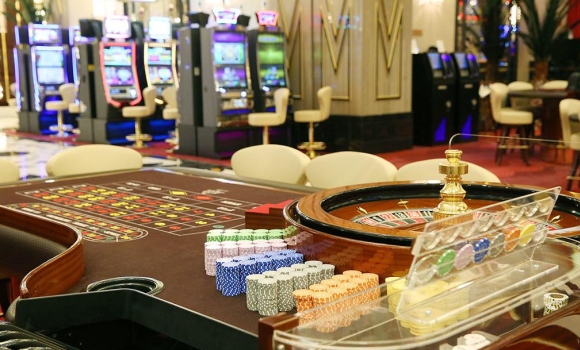
Pinco Casino: A Contemporary Player in the Gaming Industry
Pinco Casino stands at the forefront of modern gaming, exemplifying how traditional gambling practices have been reimagined for the digital age. With an extensive portfolio of games, from classic slots to cutting-edge table games, Pinco Casino caters to diverse player preferences. The platform emphasizes user experience, providing a seamless interface that allows players to navigate effortlessly through various gaming options. This focus on customer satisfaction reflects the industry’s ongoing commitment to enhancing the gambling experience.
Beyond game variety, Pinco Casino prioritizes security and fairness, employing advanced encryption technology to protect user data and financial transactions. Players can engage in their favorite games with peace of mind, knowing that their information is safeguarded. The casino also adheres to strict regulations, ensuring that all gaming practices are transparent and responsible. This commitment to integrity bolsters player trust, fostering a loyal community of gambling enthusiasts.
Pinco Casino’s innovative approach to online gaming is further illustrated through its integration of social features, allowing players to engage with each other through chat functions and multiplayer games. This sense of community enhances the overall gaming experience, bridging the gap between traditional and modern gambling. As casinos continue to evolve, platforms like Pinco Casino highlight the future of gaming, where technology, entertainment, and community converge to create an engaging environment for all players.